Humanitarian Emergency Response
 Humanitarian Emergency Response
Before, during and after emergencies, we are there.
When disasters happen, whether natural or manmade, we want children to have access to food, clean water, and shelter.
Somalia is one of the most longstanding emergencies in the world. Conflict, insecurity, drought, floods and famine have defined Somalia for more than two decades now
These humanitarian emergencies arise when such events affect vulnerable populations who are unable to withstand the negative consequences by themselves. “Vulnerability” refers to a reduced capacity of individuals or groups to resist and recover from life-threatening hazards, and is most often connected to poverty
ADO intervened to help protect the rights of those affected. This is done by directly assisting communities with their needs and enhancing humanitarian access to civilian populations.
When people are subject to violence and coercion, ADO play responsive, remedial and environment-building roles to help protect civilians.
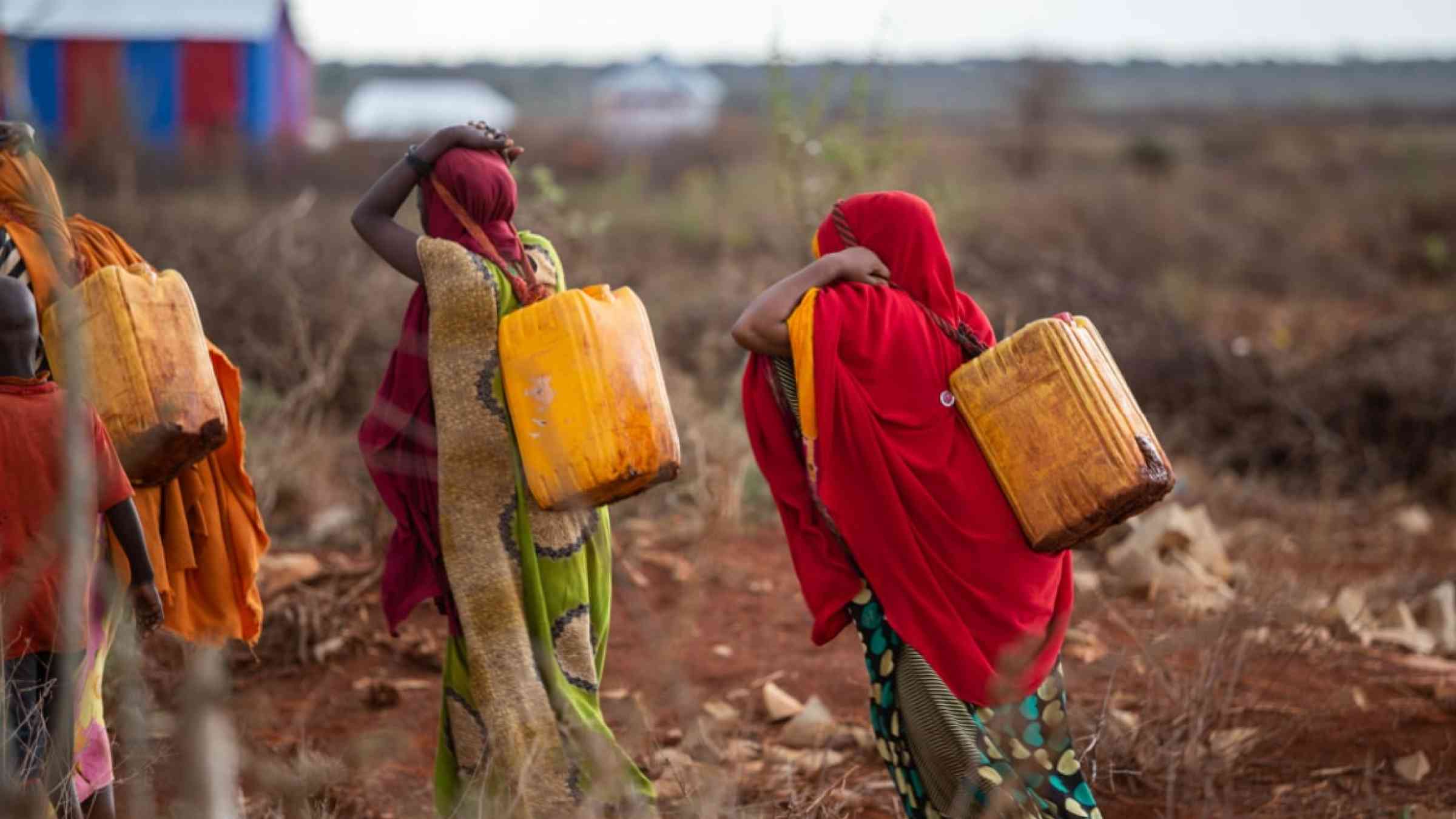
This crisis is an example of what happens when early warning signs are ignored and ongoing emergencies remain unresolved. For many in this region, the latest droughts are just one of several issues that, taken together, have decimated crops, livestock, incomes, and food security. For decades, Somalia has faced a cycle of crisis that touches on violence, displacement, hunger, and climate change.
Agricultural Development Organization’s Humanitarian Emergency Response Programs
The Agricultural Development Organization (ADO) is a respected international non-profit organization that is dedicated to improving agricultural practices and addressing food security issues around the world. In addition to their core mission, ADO also plays a crucial role in providing humanitarian emergency response in times of crisis and disasters. Their programs and activities in this area are designed to alleviate suffering, provide relief, and support communities in their time of need.
Programs and Activities
ADO’s humanitarian emergency response programs are focused on providing immediate assistance to populations affected by disasters such as natural calamities, conflicts, and public health emergencies. The organization deploys a range of activities and strategies to respond effectively to these crises:
-
Emergency Relief Distribution: ADO swiftly mobilizes resources and supplies to deliver essential humanitarian aid to affected communities. This includes providing food, clean water, shelter, medical supplies, and other necessary items to meet the immediate needs of survivors. -
Emergency Shelter and Infrastructure Support: In the aftermath of emergencies, ADO focuses on providing emergency shelter to displaced populations. The organization works on repairing damaged infrastructure, building temporary shelters, and ensuring that vulnerable populations have a safe place to stay during the crisis. -
Health and Sanitation Interventions: ADO places a strong emphasis on public health and sanitation during humanitarian emergencies. They work to provide healthcare services, vaccines, hygiene kits, and sanitation facilities to prevent the outbreak of diseases in crowded settings. -
Livelihood Support: ADO understands the long-term impact of emergencies on communities’ livelihoods and economic stability. Therefore, the organization provides support to help affected populations rebuild their livelihoods, access income-generating opportunities, and regain self-sufficiency. -
Community Engagement and Capacity Building: ADO actively engages with affected communities to assess their needs, gather feedback, and involve them in decision-making processes. Through capacity building initiatives, the organization empowers local communities to respond effectively to emergencies and build resilience for the future.


Cash transfers and Voucher Assistance
For the last two decades, ADO has been an active partner with Somali Humanitarian Fund-SHF. ADO has reached more than 75,345 households through different assistance modalities such as cash transfers (conditional and unconditional) and in-kind support.
ADO implements cash transfer programs either conditional and unconditional and in-kind supports (food and non-food distribution) to reduce the level of humanitarian crisis and impacts of disaster on vulnerable people.
ADO collaborates with Cash Working Groups (CWG) as they are responsible for the coordination of cash-based responses and setting up cash standards. ADO’s approach focuses on the most drought and disaster-affected communities by increasing people’s ability to purchase lifesaving essential items as a means to reduce the vulnerability, through cash distributions to enable beneficiaries to control purchases and cover their basic needs such as food, water, medicines, etc. which promote their resilience to climate shocks and climate variability.

Somalia is experiencing a historic drought following five consecutive failed rainy seasons that have led to mass displacement, widespread death of livestock, and a devastating food crisis. The drought is projected to intensify as Somalia faces the risk of a sixth consecutive failed rainy season
Droughts cause herders to sell more of their livestock than they would under normal conditions, resulting in plummeting livestock prices and deteriorating rural incomes. Drought-affected stock can ingest large quantities of sand and dirt which may cause impaction of the gut. Hungry stock eat excessive amounts of indigestible roughage or grain. Many communities’ livestock begins to perish day by day impacting food security.
To build the adaptive capacity of the community, along with cash transfer interventions, ADO introduces livelihood and recovery responses like rehabilitation of water points, distribution of agricultural inputs, livestock restocking, fodder provision, training community animal health workers, construction of latrines, distribution of hygiene kits, natural resource management practicing like soil and water conservation bunds as cash for work.
Strategies
ADO employs several key strategies to ensure an effective humanitarian emergency response:
-
Coordination and Collaboration: ADO works closely with local authorities, humanitarian agencies, and other stakeholders to coordinate their response efforts. By collaborating with partners, they ensure a more comprehensive and efficient delivery of aid to those in need. -
Needs Assessment and Rapid Response: ADO conducts rapid needs assessments to identify the most urgent needs of affected populations. Based on these assessments, they develop response plans that prioritize the most critical areas for intervention. -
Adaptive Programming: ADO recognizes the dynamic nature of humanitarian emergencies and adapts its programs accordingly. They remain flexible and responsive to changing needs on the ground, adjusting their strategies to meet evolving challenges. -
Accountability and Transparency: ADO upholds the principles of accountability and transparency in their emergency response operations. They ensure that aid is delivered impartially, based on need, and that their activities are carried out with integrity and respect for human dignity. -
Long-term Recovery and Resilience Building: In addition to immediate relief efforts, ADO also focuses on supporting long-term recovery and resilience-building activities. They work with communities to strengthen their preparedness for future emergencies and reduce their vulnerability to shocks and disasters.
Impact and Achievements
ADO’s humanitarian emergency response programs have made a significant impact in providing lifesaving assistance to communities affected by emergencies. Their swift and effective interventions have saved lives, alleviated suffering, and supported the recovery of populations in crisis situations. Through their commitment to collaboration, innovation, and community engagement, ADO has established itself as a reliable partner in humanitarian response efforts. The organization’s focus on building resilience and empowering communities to withstand future emergencies contributes to sustainable outcomes and lasting impact.ADO’s work in humanitarian emergency response reflects their dedication to upholding human dignity, alleviating suffering, and rebuilding communities in times of crisis. Through their strategic programs and activities, ADO continues to make a difference in the lives of those affected by disasters and emergencies around the world.